
What to do if your home builder goes into liquidation or cannot finish the job
By Nadia Delgado · Updated 2026-07-28
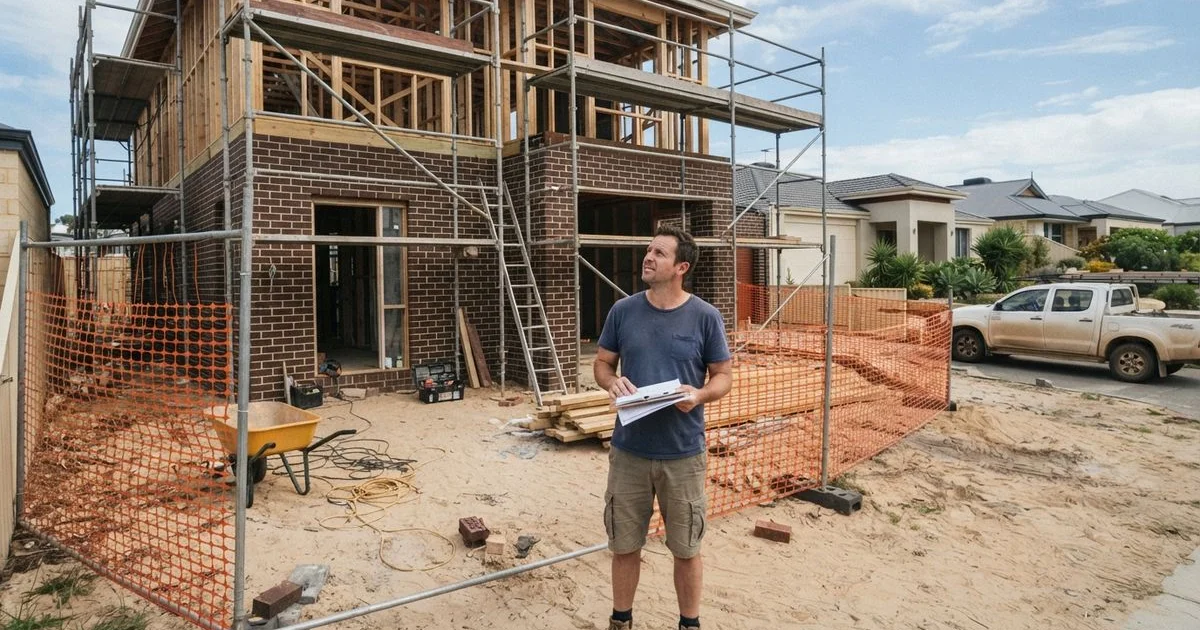
Perth’s building sector has seen a number of builder insolvencies in recent years, and finding yourself with an unfinished home and a builder that has folded is one of the more stressful situations a homeowner can face. Acting methodically in the first few weeks makes a real difference to how the situation resolves. This is general information, not legal or financial advice for your specific case; a solicitor experienced in building disputes can guide you through the actual process.
The first steps that matter most
Secure the site if it has been left unattended, since an unfinished structure exposed to weather can deteriorate further and create safety hazards. Gather every piece of paperwork you have: the building contract, payment records, variation approvals, and any correspondence with the builder. This documentation matters a great deal when dealing with insurers, a new builder, or a formal dispute process.
Contact your home indemnity insurer as early as possible to understand whether a claim applies to your situation and what the process involves. Insurers typically require documentation showing the builder’s insolvency, the state of the incomplete work, and your original contract, so having those records organised speeds things up considerably.
Understanding what your insurance actually covers
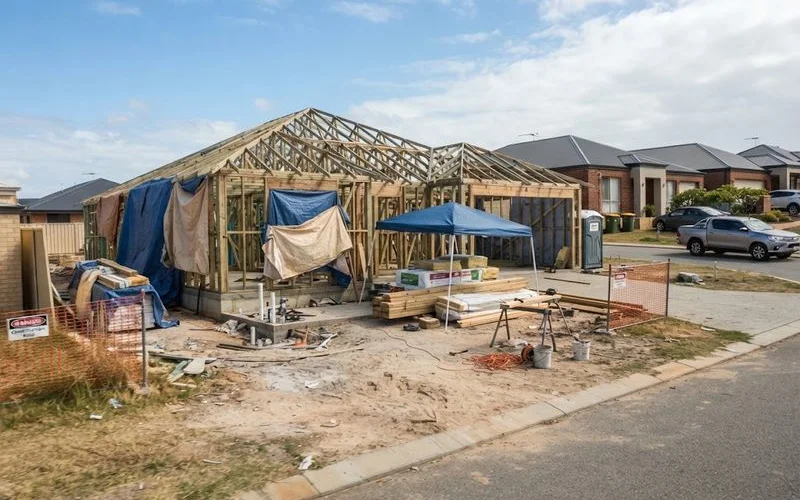
Home indemnity insurance is generally designed to help you complete unfinished work or fix structural defects when a builder cannot, due to death, disappearance or insolvency, up to a policy limit. It is not always a dollar-for-dollar replacement of everything you have already paid, so understand the actual limit and conditions of your specific policy before assuming it covers the full gap.
| Step | Why it matters |
|---|---|
| Secure the site | Prevents further deterioration or safety hazards |
| Gather contract and payment records | Required for insurance claims and any dispute |
| Contact your insurer promptly | Confirms whether and how a claim can proceed |
| Get an independent assessment of completed work | Needed before a new builder can quote accurately |
| Avoid further payments to the original builder | Protects your position pending advice |
Bringing in a new builder
Once you understand your insurance position, an independent building consultant can assess what has been completed and whether it meets required standards before you engage a new builder. This step matters because a new builder needs to know exactly what they are taking on, including anything that may need to be redone rather than simply continued.
Reducing this risk on your next build
Choosing a builder with a long, consistent trading history and a track record of on-time, on-budget delivery reduces the odds of ending up in this situation again, though no amount of due diligence eliminates the risk entirely in a volatile building market. Checking a builder’s registration status and current insurance certificate before signing, and staying alert to warning signs like slowing communication or missed milestones, are reasonable precautions worth taking on any build. This applies whether you are building on a vacant block or taking on a knockdown rebuild, where the longer timeline gives more opportunity for a struggling builder’s problems to surface.
Warning signs to watch for while a build is underway
A builder heading toward financial trouble does not always announce it. Communication that becomes slower or vaguer than it used to be, milestones slipping without a clear explanation, subcontractors mentioning they have not been paid, or repeated requests to bring forward payments ahead of the agreed schedule are all worth taking seriously rather than dismissing as a one-off. None of these alone confirms a builder is in trouble, but noticing a pattern early gives you more options than discovering the problem only once work has stopped entirely.
The emotional side of an unfinished build
Beyond the practical steps, dealing with an incomplete home while paying rent or a mortgage elsewhere is genuinely stressful, and it is common to feel pressure to make fast decisions just to move things forward. Take the time to get proper advice before committing to a new builder or a settlement with an insurer, since decisions made under pressure in this situation are hard to reverse once a new contract is signed.
See our methodology for how we score builders on this site based on consistency and verified feedback, or return to the homepage to browse other categories.
Questions people ask
- What is the first thing to do if my builder becomes insolvent?
- Secure the site if possible, gather all your paperwork including the contract and payment records, and contact your home indemnity insurer to check whether you can lodge a claim.
- Will home indemnity insurance cover the full cost of finishing my home?
- It depends on the policy and your specific situation; cover typically applies up to a set limit and is designed to help complete unfinished work or fix defects, not necessarily to fund a full rebuild at the same standard.
- Can I hire a new builder to finish an incomplete home?
- Yes, but get an independent assessment of what has been done first, since a new builder needs to understand the existing work's quality and compliance before quoting on completion.
- Should I keep paying the original builder if I hear they are in financial trouble?
- Be cautious about making further payments ahead of confirmed work being completed, and seek advice quickly, since payments made shortly before an insolvency can complicate your position in a claim.