
Energy-efficient and sustainable home building: incentives and what it costs in Perth
By Nadia Delgado · Updated 2026-09-01
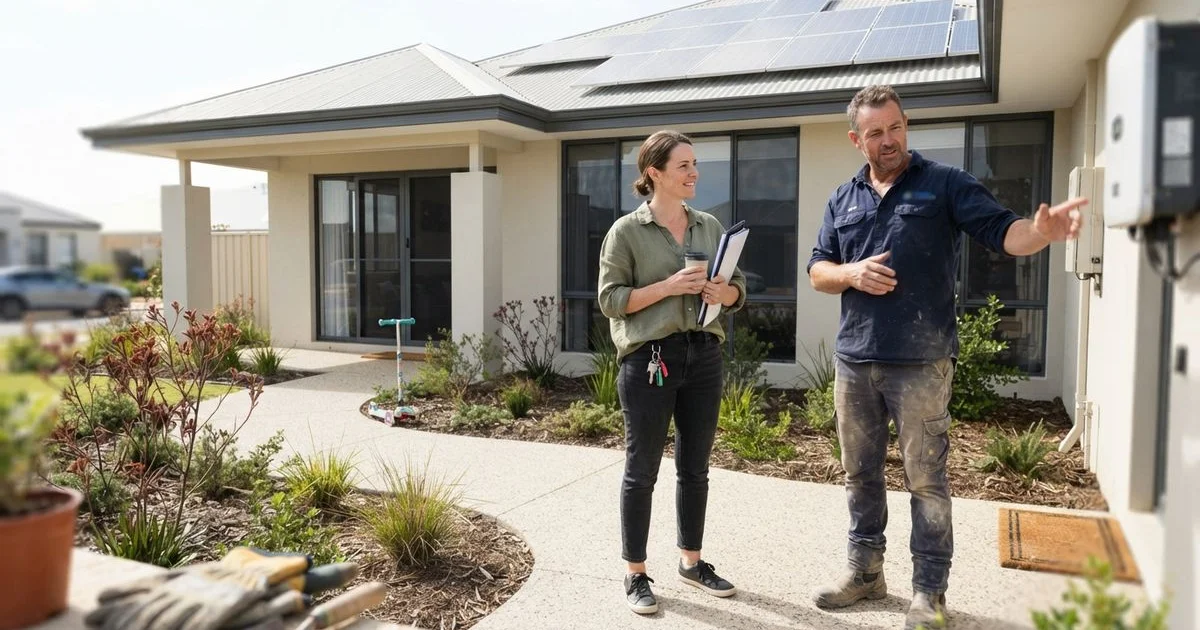
Building a genuinely energy-efficient home in Perth is as much about design decisions made early as it is about adding equipment later. Some of the most effective features cost very little extra if planned from the start, while others carry a real upfront cost with a longer payback period.
Passive design: the cheapest lever you have
Orientation, window placement and shading cost little to nothing extra if considered during the design stage, but retrofitting them later is expensive or impossible. Perth’s climate rewards north-facing living areas with eaves or shading that block harsh summer sun while letting in winter light, along with cross-ventilation paths that reduce reliance on air conditioning. A designer or builder who asks about your block’s orientation early, rather than dropping a standard floor plan onto any block regardless of aspect, is already thinking about this.
What sustainable features typically cost
| Feature | Relative upfront cost | Typical payback consideration |
|---|---|---|
| Passive design (orientation, shading) | Minimal if planned early | Immediate comfort, no ongoing cost |
| Improved insulation and glazing | Low to moderate | Reduces heating and cooling bills over time |
| Solar panels | Moderate | Payback period depends on system size and usage |
| Battery storage | Higher | Longer payback, more relevant with time-of-use tariffs |
| Rainwater tanks | Moderate | Reduces mains water use, relevant for garden-heavy blocks |
Incentives worth checking before you budget
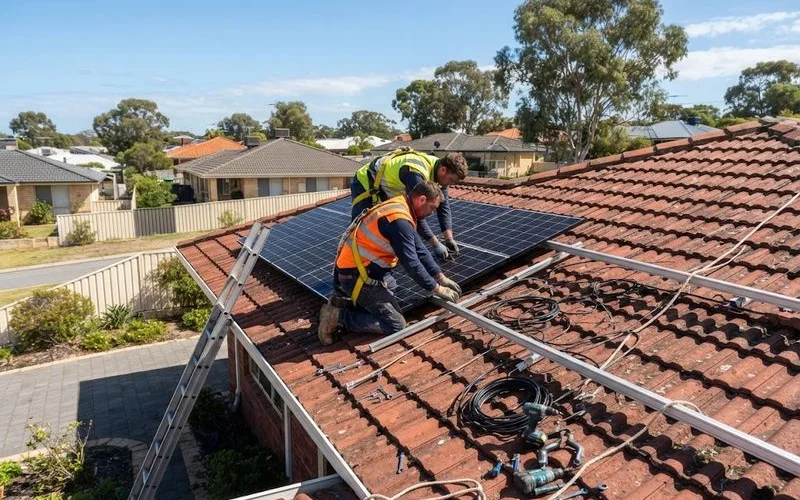
Rebate and incentive programs for solar, batteries and household energy efficiency exist at both state and federal level in Australia, but the specifics, including eligibility, rebate amounts and application windows, change periodically. Because of this, treat any figure you have heard from a friend or an old article with caution, and check current programs directly through official WA and federal government energy pages before factoring a specific rebate into your budget. This is general information, not financial advice for your specific project. If you are also a first-home buyer, check whether these incentives can be combined with the first home owner grant and other WA schemes.
Minimum standards versus going further
New homes in WA must meet a baseline energy efficiency standard under the National Construction Code, covering things like minimum insulation and glazing performance. This baseline is a floor, not a target to aim for if you actually want lower running costs. Builders and designers experienced in sustainable building can advise on where your budget delivers the most genuine benefit beyond that minimum, rather than spending on features with a weak return for your specific climate and block.
Choosing a builder for a sustainable build
Not every builder has deep experience with sustainable design beyond meeting the minimum code requirement, so ask directly about their track record with passive design, higher-performance glazing, and solar integration. Our sustainable and energy-efficient homes category lists Perth builders who specialise in this type of build, with reviews that often mention how well the finished home performs, not just how it looks.
Long-term running costs matter as much as build cost
It is easy to focus entirely on the upfront price of sustainable features and lose sight of what a home actually costs to live in once it is built. A well-oriented, well-insulated home with a right-sized solar system can run noticeably cheaper to heat, cool and power than a similarly priced home built without those considerations, and that gap compounds every year you live there. When comparing two quotes with a meaningful price difference, it is worth asking each builder what running costs their design typically produces, even as a rough estimate, rather than judging purely on the contract price.
Getting independent advice on system sizing
Solar and battery systems are often sold as a package deal through a builder’s preferred supplier, which is convenient but not always the best fit for your household’s actual usage. An independent energy assessor can advise on appropriate system sizing based on your expected consumption, which avoids paying for more capacity than you need or under-sizing a system that leaves you still reliant on grid power during peak periods.
See our methodology for how builders on this site are scored, or head to the homepage to browse other categories.
Questions people ask
- Does building an energy-efficient home in Perth cost a lot more upfront?
- Some features, like solar and better insulation, add a moderate upfront cost, while others, like good orientation and window placement, cost little to nothing extra if planned from the start. Total cost depends heavily on which features you choose.
- Are there government rebates for solar or energy-efficient building in WA?
- Rebate and incentive schemes for solar and household energy efficiency exist at state and federal level and change periodically, so check current offerings through the relevant WA and federal government energy pages before budgeting around a specific rebate.
- What is the most cost-effective sustainable feature to include in a new build?
- Good orientation and passive design, positioning living areas and windows to work with Perth's sun path, typically costs little extra if designed in from the start and delivers ongoing comfort and energy savings.
- Is a higher energy rating required by law for new Perth homes?
- New homes in WA must meet minimum energy efficiency requirements under the National Construction Code, which set a baseline; building beyond that baseline is optional and where most of the cost and savings trade-offs come in.