
First home owner grant and building incentives in WA: what you may qualify for
By Nadia Delgado · Updated 2026-06-23
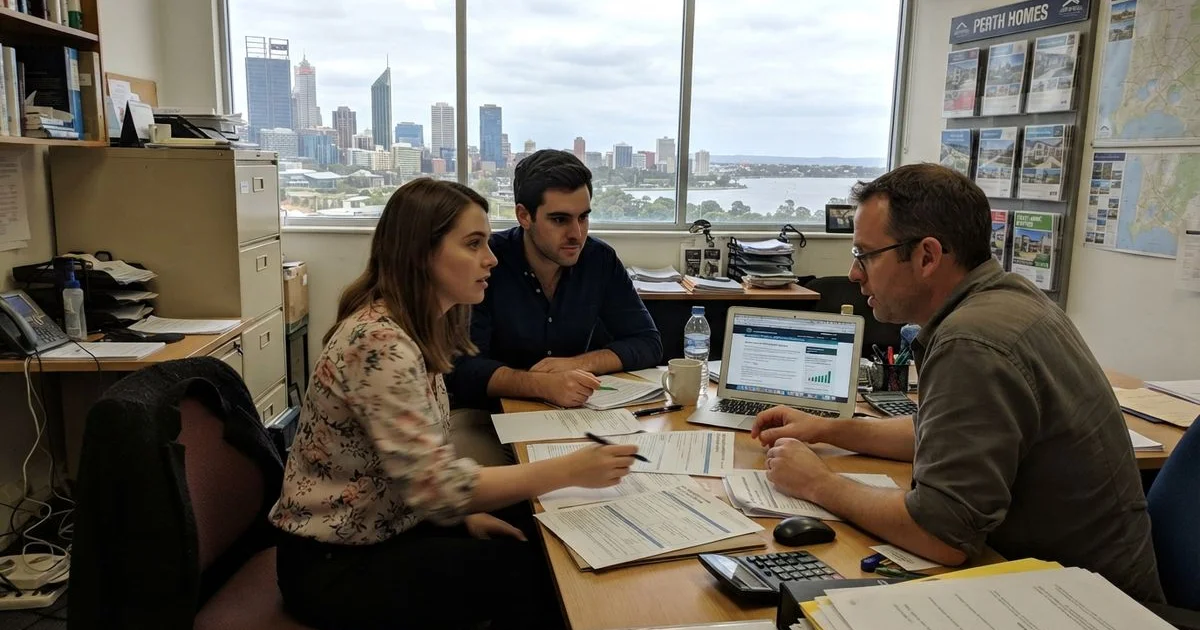
Building a first home in WA usually comes with access to government support that can meaningfully offset your costs, but the rules around what qualifies and when payments land are specific enough that they trip people up. Here is what to check before you assume a scheme applies to your situation.
The first home owner grant, in plain terms
The first home owner grant is a one-off payment available to eligible first home buyers building or buying a new home in WA. It applies to a new build, a house and land package, or a home that counts as substantially renovated. It does not apply to buying an existing, previously lived-in home. Eligibility generally requires that neither you nor your spouse or partner have owned residential property in Australia before, and there are value caps on the property that change over time, so check the current threshold before you budget around it.
Timing matters. For a building contract, the grant is usually paid once the foundations are laid rather than at contract signing, so it will not help with your initial deposit. Plan your early-stage finance assuming the grant lands partway through the build, not before.
Other schemes that can stack with the grant
Stamp duty concessions for first home buyers are a separate scheme from the grant, and in many cases the two can apply together, meaningfully reducing your upfront costs on land. Commonwealth schemes such as low-deposit guarantee programs can also reduce how much deposit you need, though they come with their own income and property price limits. Because these schemes change periodically and eligibility depends on your exact circumstances, this is general information rather than financial advice, and it is worth confirming current rules directly with Revenue WA or a mortgage broker before you factor any of them into your budget.

How the schemes commonly apply
| Scheme | Applies to | Key condition to check |
|---|---|---|
| First home owner grant | New builds, house and land, substantial renovations | Must not have owned property before |
| Stamp duty concession | New and sometimes established homes under a price cap | Value threshold on the property |
| Low-deposit guarantee schemes | New and established homes | Income cap and lender participation |
What this means when you are choosing a builder
Because the grant is tied to a new build rather than an established home, it naturally points first home buyers toward volume builders, house and land packages, or a custom new build rather than renovating an older property. That is worth weighing against your actual priorities: a slightly higher upfront cost on a custom design might still make sense if the block demands it, even with the grant reducing a standard package’s effective price.
Builders who work regularly with first home buyers tend to have processes already set up around grant timing and staged finance, which can smooth out an otherwise confusing process. It is worth asking a shortlisted builder directly how many first-time buyers they have worked with recently. If you are mapping out the whole process from scratch, our building your first home in Perth guide covers budgeting, process and choosing a builder in more depth.
Getting your numbers right before you commit
Talk to a mortgage broker and, if needed, a conveyancer early, before you sign anything, since grant and concession eligibility depends on details specific to your situation that a general guide cannot cover. Get written confirmation of what you qualify for rather than assuming based on a friend’s experience, since thresholds and rules are updated over time.
Why timing your application matters
Applying for the grant and any related concessions at the right point in your build matters as much as qualifying in the first place. Some schemes require the application to be lodged before or shortly after your contract is signed, so leaving it until later in the process can jeopardise your eligibility even if you otherwise qualify. Build a short checklist with your broker of exactly when each scheme needs to be applied for relative to your contract and settlement dates, so nothing slips through simply because attention was on choosing finishes instead.
What happens if your circumstances change mid-build
Life does not always cooperate with a building timeline, and circumstances like a change in income, a relationship change, or a shift in who is named on the contract can affect grant eligibility partway through a build. If anything about your situation changes after you have applied, contact Revenue WA or your broker promptly rather than waiting until settlement, since some changes need to be reported and can affect whether the grant is paid or needs to be repaid.
See our methodology for how we assess and rank builders on this site, or start from the homepage to explore other categories relevant to a first build.
Questions people ask
- Does the first home owner grant apply to an established home?
- No. The grant in WA applies to new homes only, including a new build, a substantially renovated home, or a house and land package. It does not apply to buying an existing established home.
- Can I get the grant and stamp duty concessions at the same time?
- In many cases yes, since they are separate schemes with their own eligibility rules. Check current thresholds and conditions with Revenue WA or your conveyancer, since caps and rules are periodically updated.
- Do I need to have never owned property to qualify?
- Generally yes, the first home owner grant requires that you and your spouse or partner have not previously owned residential property in Australia, with some limited exceptions. Confirm your specific situation against current eligibility rules.
- When is the grant paid during a build?
- For an owner-builder or building contract, the grant is typically paid once the foundations are laid, rather than upfront, so it is not usually available to cover your initial deposit.