
Owner-builder permits and approvals in WA: what you need to know
By Nadia Delgado · Updated 2026-07-23
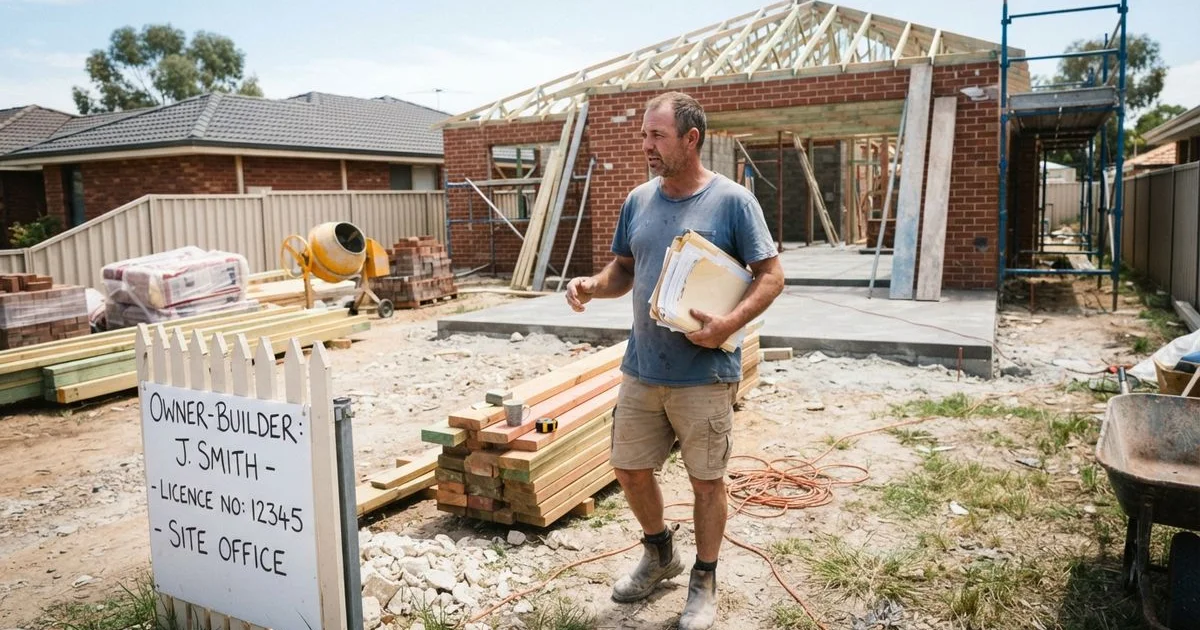
Some Perth homeowners take on the owner-builder path to save on builder margins or to have direct control over trades and sequencing. It comes with real responsibilities that a registered builder would otherwise carry, so it is worth understanding fully before you apply. This is general information, not legal advice for your specific project; Building and Energy WA and a solicitor can confirm requirements for your situation.
What owner-builder approval actually is
An owner-builder approval is a certificate from Building and Energy WA that allows you to manage construction on your own property without engaging a registered builder to hold overall responsibility for the job. You still need council building permits like any project, and you are still required to use licensed subcontractors for trades that legally require a licence, such as electrical and plumbing work. What changes is that you, rather than a builder, hold the responsibility for coordinating the project and ensuring it complies with the National Construction Code and relevant standards.
Who typically qualifies
Eligibility generally requires completing an approved owner-builder course, which covers the legal and technical basics of managing a build, along with meeting other conditions set by Building and Energy WA. There are also restrictions on how often the same person can obtain owner-builder approval, to prevent the exemption being used as a way to avoid builder registration requirements on a repeated or commercial basis. Given how specific these conditions are and how they can change over time, confirm current eligibility directly with Building and Energy WA before assuming you qualify.
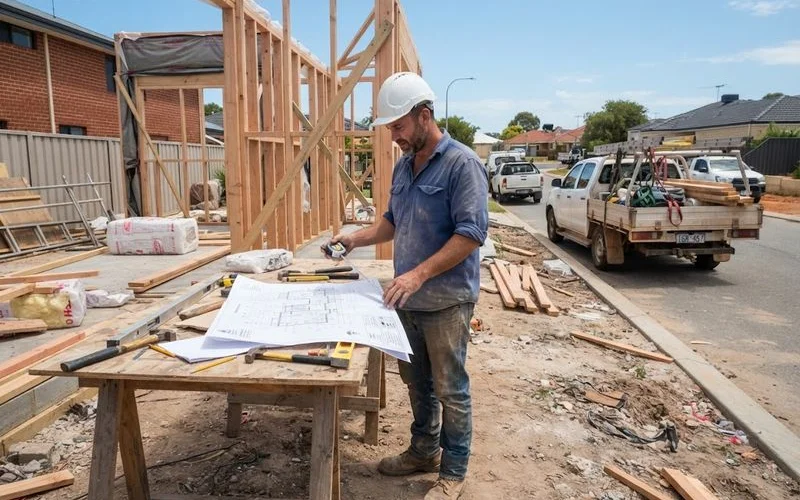
What responsibility actually shifts to you
| Responsibility | Registered builder path | Owner-builder path |
|---|---|---|
| Overall project coordination | Builder | You |
| Legal responsibility for compliance | Builder | You |
| Hiring and managing licensed trades | Builder | You, directly |
| Home indemnity insurance | Usually required, arranged by builder | Different requirements apply, check current rules |
| Warranty if something goes wrong later | Builder liable under contract | Falls to you as the responsible party |
This shift in responsibility is the part people underestimate. If a subcontractor does defective work, resolving it becomes your problem to manage, not a builder’s warranty obligation. You are also taking on the project management role that a builder’s site supervisor would normally handle, including sequencing trades, ordering materials on time, and keeping the project moving.
Weighing whether it makes sense
Owner-building can reduce costs by removing a builder’s margin, but it demands real time, some technical understanding, and a tolerance for taking on legal responsibility that a registered builder would otherwise carry. It tends to suit people with construction industry experience, strong project management skills, or enough spare time to be genuinely hands-on through every stage. For a first home or a complex custom design, engaging a registered builder shifts that risk and coordination burden to a professional who does it full-time.
If you decide the registered builder path suits you better, a builder experienced in custom, site-specific projects is worth shortlisting over a volume builder if your block or design needs that level of hands-on input.
Insurance and finance as an owner-builder
Home indemnity insurance requirements differ for owner-builders compared with projects run through a registered builder, and some lenders apply stricter conditions to construction loans for owner-built projects because they carry more perceived risk. Talk to your lender and an insurance broker early in the process, before applying for owner-builder approval, since financing terms can shape whether the approach is workable for your specific project.
A realistic view of the time commitment
Owner-builders often underestimate how much time coordination actually takes, not the physical work itself but the phone calls, site visits, scheduling trades around each other, and chasing material deliveries that a builder’s site supervisor would normally absorb as part of their job. If you are working full-time elsewhere, factor this workload honestly into your decision, since a project that stalls due to poor sequencing often ends up costing more in delays than the builder’s margin it was meant to save. If you would rather keep the cost benefit of owner-building without carrying every coordination task yourself, owner-builder project supervision services in Perth can handle sign-off support and approvals on your behalf.
See our methodology for how builders on this site are scored, or return to the homepage to explore other categories.
Questions people ask
- What is an owner-builder approval in WA?
- It is a certificate that allows you to legally manage the construction of your own home without using a registered builder, subject to conditions set by Building and Energy WA.
- Do I need any qualifications to become an owner-builder?
- Not formal building qualifications, but you generally need to complete an approved owner-builder course and meet other eligibility requirements before Building and Energy WA will approve your application.
- Is there a limit on how often I can build as an owner-builder?
- Yes, there are restrictions on how frequently the same person can obtain owner-builder approval, intended to prevent unregistered building work being carried out repeatedly under the owner-builder exemption.
- Am I still responsible for defects if I hire subcontractors as an owner-builder?
- Yes. As the owner-builder, legal responsibility for the project generally sits with you, even where licensed subcontractors carry out individual trades, which is different to hiring a single registered builder who holds that responsibility.