
Asbestos and demolition safety when knocking down an older Perth home
By Nadia Delgado · Updated 2026-08-22
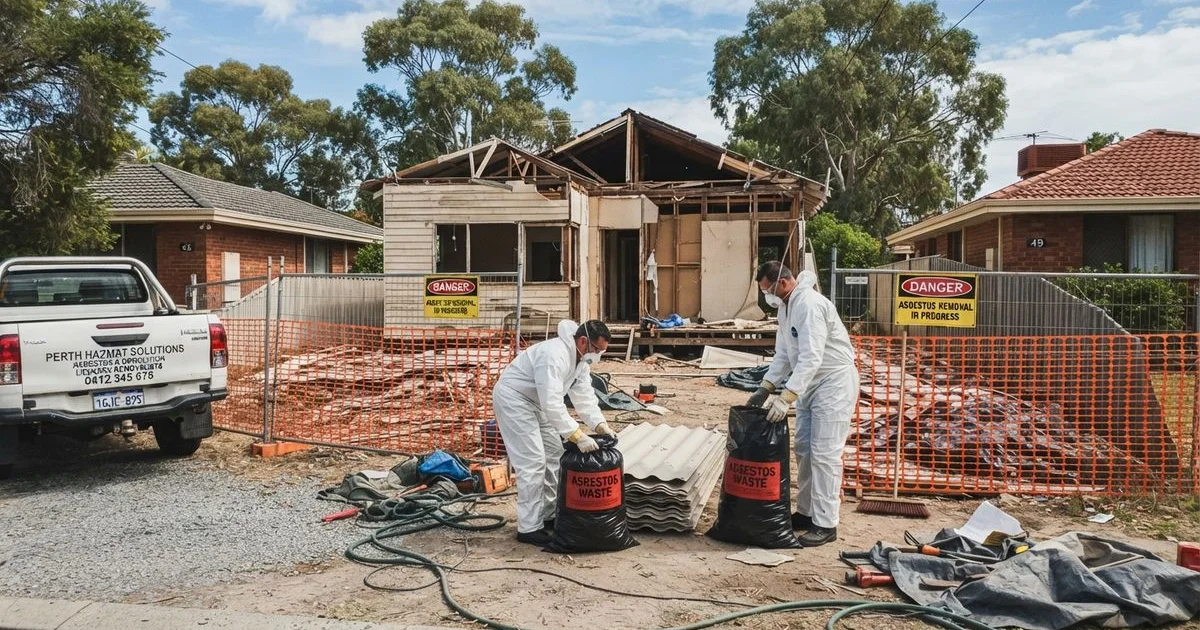
Perth has a lot of housing stock built between the 1950s and 1980s, a period when asbestos was widely used in building materials, from fibro sheeting to roofing and pipe lagging. If you are planning a knockdown rebuild or a major renovation on an older home, understanding the asbestos risk is a genuine health and safety step, not a box-ticking formality. This guide is general information; a licensed asbestos assessor and your local council can confirm what applies to your specific property.
Why older Perth homes carry this risk
Asbestos-containing materials were commonly used in Australian construction until they were progressively phased out through the 1980s and fully banned by the early 2000s. Homes built before the mid-1980s have a meaningfully high chance of containing asbestos somewhere in the structure, commonly in fibro cladding, eaves, older vinyl flooring, and some roofing materials. The risk is not from the material simply existing in the house; it comes from asbestos fibres being released into the air when the material is damaged, cut, drilled or demolished without proper controls.
What a pre-demolition assessment involves
A licensed asbestos assessor inspects the property, identifies materials likely to contain asbestos, and where needed takes samples for laboratory testing to confirm. This assessment should happen before demolition or any major structural renovation begins, and the results determine what specific removal and disposal procedures are legally required. Skipping this step is not just a compliance risk; it is a real health risk to demolition workers, tradespeople, and anyone living nearby if fibres are released uncontrolled.
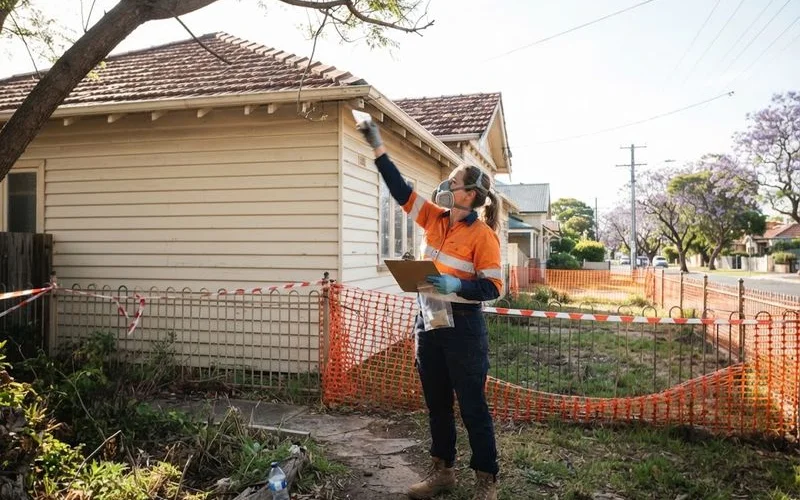
Who can legally remove asbestos
In WA, licensed asbestos removalists are required for larger quantities of asbestos-containing material, and strict handling and disposal rules apply even to smaller amounts. This is not a DIY job, regardless of how straightforward the material looks. Attempting to remove or disturb suspected asbestos yourself risks both your health and legal penalties, and it can also complicate insurance and disposal compliance for the rest of the project.
| Step | What happens |
|---|---|
| Pre-demolition inspection | Licensed assessor identifies likely asbestos-containing materials |
| Sampling and testing | Laboratory confirms presence and type of asbestos |
| Removal planning | Licensed removalist determines method and disposal path |
| Safe removal | Controlled removal following WA regulations |
| Clearance certificate | Confirms the site is safe before demolition proceeds |
Budgeting for this step
Asbestos assessment and removal adds a cost to a knockdown rebuild or major renovation project that is easy to underestimate if you are budgeting off a newer home’s demolition cost. The amount depends heavily on how much material is present and where it is located, so getting an assessment done early, before you finalise your overall project budget, avoids an unpleasant surprise partway through planning.
Choosing builders and demolishers experienced with this
Ask any builder or demolition contractor directly about their experience managing asbestos-affected sites and whether they coordinate the licensed assessment and removal themselves or expect you to arrange it separately. A contractor who treats this as a routine, well-managed part of the process is a better sign than one who seems unfamiliar with the requirements. General site safety practices matter too, not just asbestos-specific procedures; see our guide on site safety during a home build for what a well-run site looks like day to day.
What happens if asbestos is found during, not before, demolition
Occasionally asbestos-containing material turns up once demolition is already underway, particularly in additions or renovations carried out by a previous owner without proper records. If this happens, work should stop immediately in the affected area. A licensed assessor needs to inspect the material before anyone continues, and the site may need to be isolated until removal is arranged. This is one reason a thorough pre-demolition assessment matters: it reduces, though cannot entirely eliminate, the chance of an unplanned stoppage partway through a project you have already budgeted and scheduled around.
Talking to neighbours before work starts
Demolition on an older home can understandably worry neighbours, especially if they are aware the area has homes from the same era. A brief, proactive conversation before work begins, explaining that a licensed assessment has been done and what safety measures are in place, tends to prevent complaints and keeps the relationship civil through what is already a disruptive period for everyone nearby.
See our methodology for how builders on this site are scored, or return to the homepage to browse other categories.
Questions people ask
- How do I know if my Perth home has asbestos?
- Homes built before the mid-1980s have a high chance of containing asbestos materials, and homes built up to the early 1990s can still contain some. A licensed asbestos assessor can confirm through inspection and sampling before demolition.
- Can I remove asbestos myself before a demolition?
- In WA, only licensed asbestos removalists can legally remove larger quantities of asbestos-containing material, and there are strict rules even for small amounts. Do not attempt to remove suspected asbestos yourself.
- Does asbestos removal significantly increase demolition costs?
- It can add a noticeable amount depending on how much material is present and where it is located, but it is a necessary safety step, not an optional extra, when asbestos is confirmed.
- Is it safe to live in a home with asbestos that has not been disturbed?
- Undisturbed, intact asbestos-containing material is generally considered lower risk than material that is damaged or being disturbed, which is exactly why demolition and renovation work require careful assessment and management beforehand.